Introduction
Driving safely is a responsibility that extends beyond following traffic rules. It involves awareness, preparation, and consistent good habits. These essential driving tips help protect you, your passengers, and everyone else on the road by promoting safer and more mindful driving practices.
Maintain Complete Focus on the Road
Staying alert is the cornerstone of safe driving. Even brief distractions can have serious consequences.
Reduce Distractions
-
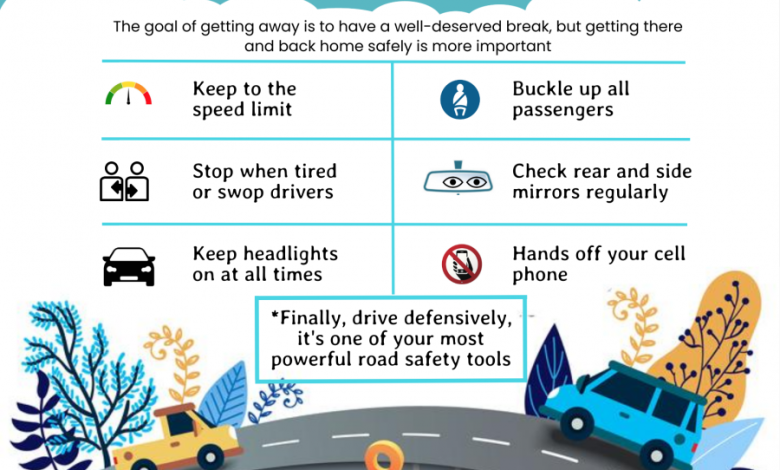
Put away mobile devices unless using hands-free features.
-
Set your GPS and music before moving.
-
Avoid multitasking such as eating or reaching for objects.
-
Keep conversations calm to maintain concentration.
Follow Safe Speed Practices
Speed influences both reaction time and the severity of accidents.
Adjust Speed to Conditions
-
Follow posted speed limits at all times.
-
Slow down in rain, fog, snow, or heavy traffic.
-
Allow extra time for your trip to avoid rushing.
-
Use lower speeds in residential or unfamiliar areas.
Keep a Safe Following Distance
Proper spacing gives you the time to react to sudden stops.
Use the Three-Second Rule
-
Maintain at least three seconds of distance from the vehicle ahead in normal conditions.
-
Increase to five or more seconds in poor weather.
-
Back off immediately if the car ahead brakes suddenly or drives unpredictably.
Practice Defensive Driving
Defensive driving helps you anticipate and avoid potential hazards.
Stay Aware of Surroundings
-
Check mirrors regularly to track nearby vehicles.
-
Watch for sudden lane changes or erratic movements.
-
Expect other drivers to make mistakes and be prepared to react safely.
-
Stay out of blind spots whenever possible.
Prepare for Weather and Road Conditions
Changing road conditions require adjusted driving behaviors.
Adapt to Weather Challenges
-
Turn on headlights during rain or low visibility.
-
Drive slowly on wet or icy surfaces to prevent skidding.
-
Avoid cruise control on slippery roads.
-
Keep tires properly inflated for better traction.
Use Proper Vehicle Control Techniques
Smooth handling reduces wear and enhances safety.
Maintain Consistent Control
-
Keep both hands on the steering wheel using the 9 and 3 position for better stability.
-
Brake gently to avoid sudden jolts.
-
Accelerate smoothly, especially on turns and uneven roads.
-
Practice gentle steering to maintain vehicle balance.
Keep Your Vehicle in Top Condition
A well-maintained car responds better in all driving situations.
Regular Maintenance Essentials
-
Check tire pressure and tread regularly.
-
Ensure brakes are functioning properly.
-
Replace worn wipers for clear visibility.
-
Keep fluid levels—oil, coolant, brake fluid—within recommended ranges.
Plan Ahead for Safer Trips
Preparation minimizes on-road stress and improves decision-making.
Smart Pre-Trip Habits
-
Review your route before leaving.
-
Keep emergency supplies in your trunk.
-
Make sure your fuel tank is adequately filled.
-
Rest well before long drives to prevent fatigue.
Frequently Asked Questions
1. What should I do if I feel tired while driving?
Take a break immediately, rest at a safe location, or switch drivers if possible. Fatigue seriously impairs reaction time.
2. How can I improve my nighttime driving skills?
Use high beams when appropriate, clean your windshield, slow down, and avoid looking directly at oncoming headlights.
3. What is the safest way to handle tailgaters?
Stay calm, maintain your speed, and change lanes when safe to let them pass.
4. How often should I check my vehicle’s tire pressure?
Once a month is recommended, and always before long trips.
5. Is it safer to use hands-free devices while driving?
Hands-free is safer than handheld, but it still divides attention. Use it sparingly.
6. How can I prevent hydroplaning?
Reduce speed during rain, avoid sudden steering inputs, and ensure your tires have proper tread depth.
7. What should I keep in a basic car emergency kit?
Items like a flashlight, jumper cables, first-aid kit, tire gauge, water, and basic tools are essential.