What Car Problems Can’t Wait: A Driver’s Guide to Urgent vs. Routine Auto Repair in Annandale

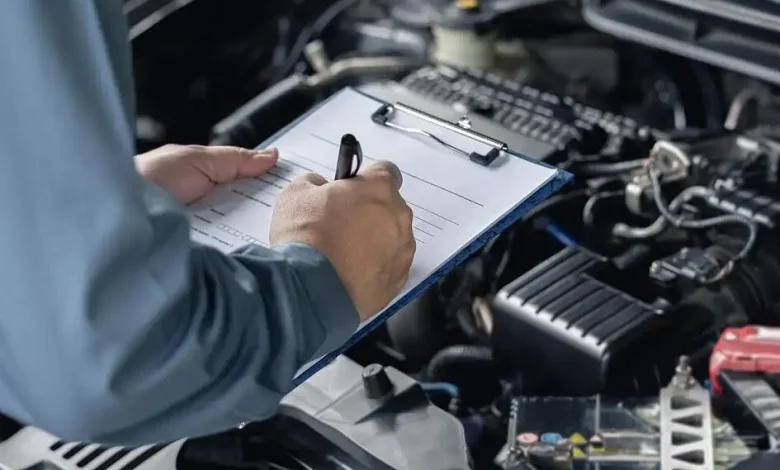
Annandale drivers have short commutes, highway merges, summer heat, and winter cold. That mix can be tough on brakes, cooling systems, batteries, and tires. A warning light popping up, or the car just feeling different, doesn’t always make it obvious what needs attention today and what can wait until next week. A postponed faulty repair could mean a tow, higher costs, or a serious safety risk, while overreacting to a minor problem can waste time and money. This guide lists common warning signs in order of urgency, explains why some problems can escalate quickly, and shows how to document symptoms so a technician can more easily diagnose the fault and make the right repair.
-
Dashboard Warnings That Mean Pull Over, Not Wait and See
If the oil pressure light comes on red or the gauge reads zero, shut off the engine immediately. Oil starvation can quickly damage or seize engine bearings. If the coolant temperature light is red, the temperature needle is at the maximum reading, or steam is coming from under the hood, you are overheating. Continuing to drive can warp cylinder heads or damage the head gasket. Many drivers search for Auto repair in Annandale the moment a warning light comes on, but your first priority should be getting safely out of traffic and calling for assistance if the problem involves oil pressure or overheating. A dying alternator can cause the battery warning light to illuminate. The car may run on battery power alone for a short time, but the voltage will eventually drop, and the engine can stall at any time.
A flashing check engine light usually indicates a severe misfire that can send unburned fuel into the catalytic converter. Excessive fuel can cause the converter to overheat and be seriously damaged. Slow down, don’t accelerate hard, and get service arranged soon. A steady check engine light is usually less urgent, but you should still have it checked out. A loose gas cap, bad oxygen sensor, or mass airflow sensor can turn on the light and affect fuel economy or emissions. If you see a red brake warning light, it could be low brake fluid or a hydraulic problem. This is not the amber ABS light, which usually refers to the anti-lock braking system. A soft brake pedal, with or without a warning, should be examined immediately.
-
Brake and Steering Symptoms That Threaten Stopping Power
If you hear grinding or metal-on-metal noises when you press the brake pedal, it usually means that the brake pads have worn down to the backing plates. This could damage the rotors, increase the stopping distance, and possibly lead to more extensive brake repairs. If you notice a pulsation in the pedal or a vibration in the steering wheel when you brake at highway speeds, it may be due to uneven rotor thickness or heat-related problems. These conditions can develop from repeated hard stops or uneven wear. A brake pedal that sinks toward the floor may point to a fluid leak, air in the brake lines, or a malfunctioning master cylinder. Any of these symptoms require same-day attention, as they can compromise the vehicle’s ability to stop safely.
If your car pulls to one side, your steering wheel is crooked after a turn, or your tires are wearing unevenly, you may have alignment problems, worn tie rod ends, or a failing wheel bearing. A growling noise that increases with speed and changes when you turn could indicate a worn wheel bearing. Now imagine that you are driving home from work and you hear a rhythmic grinding noise. It gets louder when you turn right, and at 45 mph you feel a faint vibration. That combo could mean an issue with the left front wheel bearing. If you drive on a badly worn bearing, it can generate too much heat and further damage the hub. In extreme cases, it may compromise wheel stability. Have the vehicle inspected before a long highway trip.
-
Driveability Problems That Can Leave You Stranded
A weak battery or corroded battery terminals can cause hard starting after short stops. After exposure to extreme heat or cold, batteries often fail suddenly. If the alternator stops charging properly, you will notice dim lights, the battery warning light will come on, and when the battery is run down, the engine will die. A stuck thermostat, split radiator hose, failing water pump, or slipping serpentine belt can all cause the water pump to fail and lead to engine overheating. If the transmission is slipping, engaging late, or the engine speed flares between gear changes, it may signal low transmission fluid, degraded fluid, or an internal transmission problem. If you ignore any of these conditions, you will eventually be stranded.
Let’s consider another example. You’re driving up a hill when the check engine light starts flashing, and the car starts shaking. If you ease off the throttle, the symptoms improve, but the light will flash again under load. This could be a serious misfire caused by a bad ignition coil, spark plug, fuel injector, or other engine management issue. If you keep driving aggressively, you might damage the catalytic converter. Another example is turning the key after a long day and hearing one click or rapid clicking from the starter area. If a jump start gets the vehicle started, the battery may be weak. If you stall the engine shortly thereafter or the charging voltage is still low, the alternator may be failing. Test both parts before you trust the vehicle for your next commute.
-
Maintenance Items You Can Schedule Soon, With Smart Tradeoffs
Not all problems are emergencies, but you should still address them promptly. Now, if you have a slow tire leak from a nail puncture, valve issue, or bead leak, and it triggers the TPMS warning and requires you to add air weekly, that is a different story. Quick repair can prevent additional tire damage. A small oil seep around a valve cover gasket may be tolerated for a few days, provided the oil level remains in the proper range. However, check the dipstick frequently. If the squealing belt isn’t cracked, you may not need to have it towed right away, but it should be checked, especially if the belt powers critical accessories. Some routine maintenance items that can improve comfort, visibility, and braking performance include cabin air filters, wiper blades, and brake fluid service. Material choices also have trade-offs. Ceramic brake pads generally wear better and produce less dust and heat. Semi-metallic pads may have a better initial bite and tend to hold up well under hard braking conditions, but are sometimes noisier. Consider the conditions you usually drive in when selecting replacement parts.
How to Capture Useful Details Before Your Appointment
Good notes make diagnosis faster and more accurate. Pay attention to when the problem occurs: engine temperature, vehicle speed, gear position, air conditioning, bumps in the road, braking, rain, full lock of the steering wheel. Short phone videos may show a chirping noise from an idler pulley, or a rhythmic thumping from an unevenly worn tire. A basic OBD II reader can pull a diagnostic code like P0302 (cylinder 2 misfire) or P0171 (system too lean). Provide the technician with the code and any freeze frame data you have, but have the repair shop verify the cause with proper diagnostic equipment. Diagnostic trouble codes identify the affected system or condition but not always the failed component directly.
Also bring any relevant service records, including battery age, oil change history and viscosity, coolant type, and the date of the last transmission fluid service. After repairing the cooling system, check the coolant reservoir level several times during the next few drives, with the engine cool. Once you have an alignment done, watch for uneven tire wear and keep a proper tire rotation schedule. These small observations can help you determine whether the initial problem has been fully corrected and can give technicians useful information if symptoms reappear.
Knowing which symptoms mean you need to pull over safely and which can wait for a scheduled service visit protects both your safety and your budget. Loss of oil pressure, overheating, brake warning lights, flashing check engine lights, and loud noises from the steering or wheel bearings require urgent attention. Regularly inspect for slow tire leaks, worn filters, squealing belts, and less critical warning lights, and weigh practical tradeoffs when choosing replacement parts. No matter what the repair, detailed notes, routine checks of fluid levels and tire pressure, and timely follow-up after service can help keep your vehicle ready for Annandale traffic, daily commutes, and weekend travel.