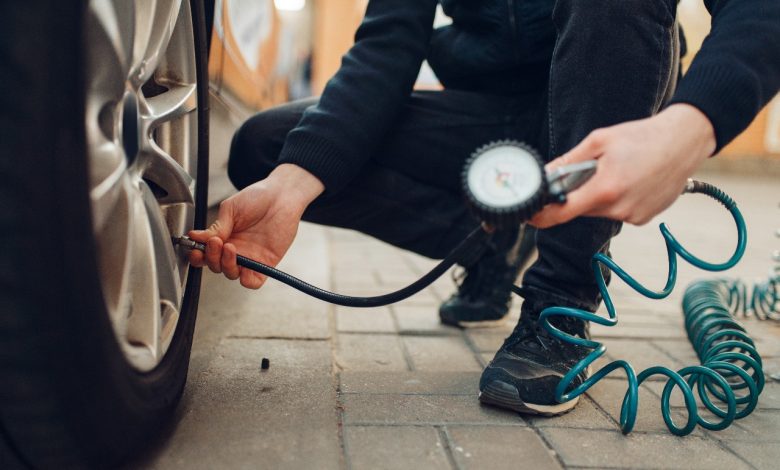
Tires serve as the sole point of physical contact between a multi-thousand-pound machine and the asphalt beneath it. Despite this critical role, tire pressure is routinely neglected by drivers until a yellow dashboard warning light appears or a visible flat strands them on the shoulder of an interstate. Treating tire inflation as an afterthought carries costly consequences.
The air pressure inside a tire dictates how vehicle weight distributes across the road surface, how suspension components absorb vibrations, and how efficiently an engine turns fuel into momentum. Maintaining the manufacturer-specified pounds per square inch does far more than keep rubber rolling. It preserves the structural integrity of your vehicle, extends component life spans, and prevents compounding mechanical failures that silently drain your bank account over time.
How Tire Inflation Governs Tread Wear Patterns
Tread longevity depends on an even contact patch across the tire face. When inflation levels deviate from factory specifications, the footprint of the tire distorts, generating distinct wear patterns that prematurely destroy the rubber and force early tire replacements.
-
Underinflation and Shoulder Wear: When a tire lacks adequate air pressure, the center of the tread sags inward, shifting the vehicle weight entirely to the outer shoulders. This imbalance causes the edges of the tread to scrub against the pavement, wearing them down while leaving the center intact. Beyond wasting usable tread depth, this concentrated friction generates excessive internal heat, breaking down the internal steel belts and synthetic cords that give the tire its structural rigidity.
-
Overinflation and Center Crown Wear: Pumping too much air into a tire causes the contact patch to narrow into a tight band along the center of the tread. Because the middle carries the brunt of the load, it wears out rapidly while the outer edges remain deep. An overinflated tire becomes stiff and unforgiving, drastically reducing grip during wet weather and leaving the tire vulnerable to punctures from road debris, gravel, and sharp potholes.
-
Tire Cupping and Feathering: Improper inflation exacerbates wheel hop and alignment wander, creating scalloped dips or feathered edges along the tread blocks. Once these irregular wear patterns take hold, they cannot be reversed through simple reinflation, forcing drivers to purchase new tires thousands of miles ahead of schedule.
Protecting Suspension, Steering, and Chassis Components
A vehicle suspension system works as a harmonized network of springs, shocks, struts, ball joints, control arm bushings, and steering linkages. Pneumatic tires function as the very first line of defense within this shock-absorbing chain. The air cushion inside the tire absorbs high-frequency micro-vibrations and small pavement ripples long before those forces reach mechanical joints.
When tires are overinflated, they lose their natural elasticity and bounce violently over road imperfections. That harsh energy bypasses the tire and hammers directly into wheel bearings, strut mounts, and suspension bushings. Over tens of thousands of miles, this constant mechanical punishment causes bushings to tear, ball joints to develop dangerous play, and shocks to leak hydraulic fluid prematurely.
Conversely, underinflated tires introduce a vague, spongy resistance to the steering system. The steering rack, tie rods, and power steering pump must work significantly harder to overcome the increased rolling friction of underinflated front tires during low-speed turns and parking maneuvers. By keeping pressures dialed in to the exact factory specification, you allow the suspension and steering mechanisms to function under their designed mechanical loads, significantly extending their operating life.
Drivetrain Stress and Fuel System Efficiency
Tire pressure directly dictates the rolling resistance of a vehicle. A tire operating five to ten pounds below factory spec functions much like running through deep sand; the engine and transmission must work noticeably harder to sustain normal highway speeds.
Fuel Consumption Realities
Underinflated tires create continuous drag that forces the engine to burn extra fuel to overcome unnecessary friction. While a slight decrease in fuel economy might seem minor across a single tank of gas, the cumulative effect over a year adds up to hundreds of wasted dollars. More importantly, this extra engine effort means internal components operate at elevated temperatures for longer durations, accelerating engine oil degradation and putting avoidable thermal strain on the cooling system.
All-Wheel-Drive Drivetrain Preservation
Modern all-wheel-drive and four-wheel-drive platforms rely on electronic sensors to monitor wheel speeds with millimeter-level precision. When a single tire runs significantly lower on pressure than the other three, its rolling circumference shrinks. That wheel must rotate faster than the properly inflated wheels to cover the same distance.
This rotational discrepancy tricks the center differential, transfer case, or viscous coupling into detecting wheel slip. The vehicle electronic control systems engage clutch packs to compensate, resulting in continuous mechanical binding. Driving long distances with mismatched tire pressures can destroy transfer cases and differentials, creating repairs that often cost thousands of dollars to rectify.
Preventing Catastrophic High-Speed Blowouts
Tire blowouts are rarely sudden, random acts of bad luck. In the vast majority of cases, a blowout represents the violent culmination of chronic underinflation.
When a tire rolls down the highway underinflated, the rubber sidewalls undergo rapid, continuous flexing. This constant distortion generates extreme friction within the rubber compound. Because air acts as an internal heat sink, a lack of air volume allows heat to build uncontrollably inside the tire cavity.
Eventually, the temperature exceeds the melting point of the bonding adhesives holding the rubber tread to the underlying steel and nylon casing. The tread separates, the sidewall ruptures, and the tire disintegrates at speed. A blowout at highway speeds poses extreme safety hazards to occupants and often tears through plastic wheel well liners, rips wiring harnesses, and dents exterior quarter panels, turning a basic maintenance lapse into an expensive body repair.
Establishing an Effective Tire Inflation Routine
Relying solely on your vehicle automated tire pressure monitoring system is not sufficient for proper preventative maintenance. Most factory monitoring systems illuminate a warning light only after pressure drops twenty to twenty-five percent below the recommended threshold. By the time that light turns on, severe damage to the tire tread and suspension components has already begun.
-
Check Pressures Monthly: Check all four tires and the spare at least once every four weeks, as all tires naturally lose about one pound of pressure per month through microscopic pores in the rubber.
-
Inspect When Cold: Always measure pressure when the vehicle has been parked for at least three hours or driven less than one mile. Driving generates heat that expands the air, giving a falsely elevated pressure reading.
-
Use the Door Jamb Placard: Never inflate tires to the maximum pressure printed on the tire sidewall. That number represents the absolute structural limit of the rubber casing, not the engineered setting for your specific car. Always reference the white and yellow vehicle placard affixed to the driver side door jamb.
-
Invest in a Quality Gauge: Avoid cheap gas station pencil gauges, which often drift out of calibration by several pounds. Use a reliable digital or analog dial gauge stored inside your glove box.
Frequently Asked Questions
Why does cold weather cause my tire pressure warning light to turn on?
Air contracts as temperatures drop, decreasing pressure according to standard gas laws. For every ten-degree drop in Fahrenheit ambient temperature, a tire loses roughly one pound of pressure. In autumn and winter, seasonal temperature drops can easily pull a marginally inflated tire below the automated warning threshold overnight.
Can I run higher tire pressures to get better gas mileage?
While slightly increasing pressure reduces rolling resistance, running above the manufacturer specification compromises braking distances, degrades ride comfort, and wears out the center of the tread prematurely. The minimal fuel savings achieved are quickly erased by having to replace expensive tires and worn suspension components ahead of schedule.
How does improper tire pressure affect braking distances?
Both underinflation and overinflation distort the contact patch between the tire and the pavement, reducing the surface area available to grip the road. Under panic braking conditions, an improperly inflated tire increases stopping distances by several car lengths, which can make the difference between a safe stop and a front-end collision.
Is nitrogen inflation significantly better than regular compressed air for daily drivers?
Nitrogen molecules are slightly larger than oxygen molecules, meaning pure nitrogen migrates through tire rubber at a slower rate and resists pressure fluctuations caused by humidity. However, standard air is already seventy-eight percent nitrogen. For ordinary daily driving, regular monthly checks with standard compressed air provide identical vehicle longevity benefits without the added expense of dealer nitrogen fills.
How does a vehicle payload affect the recommended tire pressure?
Carrying heavy cargo, towing a trailer, or filling every passenger seat compresses tires significantly. Many truck and SUV manufacturers specify higher rear tire pressures when hauling maximum payload to prevent sidewall overheating and maintain vehicle stability. Always consult your owner manual for recommended heavy-load pressure adjustments before long trips.
Does tire rotation reduce the negative effects of poor tire inflation?
Regular tire rotations balance out wear patterns caused by vehicle weight distribution and steering forces, but rotations cannot prevent the internal heat damage, belt fatigue, or chassis vibration caused by incorrect pressure. Consistent tire pressure must work in tandem with rotations every five to seven thousand miles to achieve maximum tire life.