
Introduction
Logistics plays a pivotal role in global commerce, ensuring that products move efficiently from producers to end consumers. It involves coordination, management, and optimization of resources to achieve timely, cost-effective deliveries without compromising quality.
What Is Logistics?
Logistics refers to the structured process of planning, implementing, and controlling the movement and storage of goods, information, and related services from origin to destination. Its goal is to ensure that every item arrives where it should, when it should, and in the proper condition.
Core Components of Logistics
Transportation
Transportation is one of the most essential pillars of logistics, often accounting for the highest share of operating costs. Common transportation modes include:
-
Road transport for local and flexible delivery operations
-
Rail transport for bulk and long-distance freight
-
Air transport for time-sensitive or high-value shipments
-
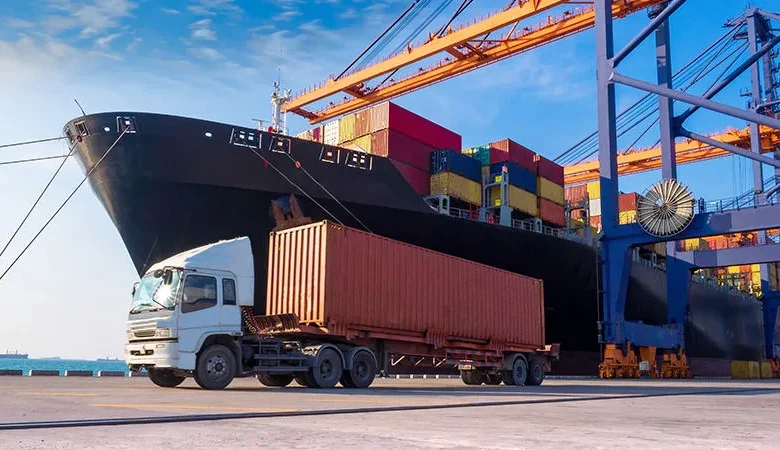
Sea transport for international trade and large cargo volumes
-
Multimodal transport combining different modes for efficiency
Warehousing
Warehousing supports the temporary storage and processing of goods before they reach customers. Key activities include:
-
Storing and preserving inventory
-
Order picking and consolidation
-
Packaging and labeling
-
Cross-docking for rapid transfers
-
Value-added services such as product assembly
Inventory Management
Effective inventory management prevents both overstocks and stockouts. Essential practices involve:
-
Accurate demand forecasting
-
Real-time visibility of stock levels
-
Just-in-time replenishment
-
ABC analysis for prioritizing essential inventory categories
Information Flow
Reliable information flow ensures timely decision-making and smooth operations. It includes:
-
Shipment tracking
-
Electronic documentation
-
Data-driven planning tools
-
Real-time notifications for delays or disruptions
Logistics vs. Supply Chain Management
While logistics manages the physical movement and storage of goods, supply chain management (SCM) encompasses the broader coordination of manufacturers, suppliers, warehouses, distributors, and retailers. Logistics is a critical subset of SCM, providing the operational backbone that keeps goods moving efficiently.
Modern Technologies Transforming Logistics
Automation and Robotics
Automated guided vehicles, robotic pickers, and smart sorting systems enhance accuracy and speed while lowering labor requirements.
Artificial Intelligence and Predictive Analytics
AI improves route optimization, demand forecasting, and inventory control through data-driven predictions.
Internet of Things (IoT)
IoT sensors boost visibility by monitoring shipment location, temperature, humidity, and security in real time.
Blockchain
Blockchain ensures secure and transparent data sharing across logistics networks, reducing fraud and paperwork errors.
Benefits of Well-Managed Logistics
Organizations that invest in optimized logistics experience advantages such as:
-
Lower transportation and storage costs
-
Faster and more reliable deliveries
-
Enhanced customer satisfaction
-
Reduced product damage and errors
-
Improved sustainability through optimized routes and load planning
Key Challenges in the Logistics Industry
Despite technological progress, logistics still faces obstacles including rising fuel prices, supply shortages, customs delays, geopolitical risks, and fluctuating demand. Overcoming these challenges requires agility, innovation, and strong risk-management practices.
Future Trends in Logistics
The future of logistics is shaped by emerging trends such as:
-
Expansion of green logistics and carbon-neutral transport
-
Adoption of autonomous delivery vehicles and drones
-
Growth of hyper-connected supply chains
-
Increased reliance on predictive and prescriptive analytics
-
Expansion of warehouse automation and digital twins
Frequently Asked Questions (FAQs)
1. What are the main goals of logistics management?
The main goals include reducing operational costs, improving delivery accuracy, enhancing customer satisfaction, and ensuring smooth flow of goods.
2. How does logistics impact customer experience?
Efficient logistics ensures timely and accurate deliveries, reduces delays, and enhances overall reliability, which improves customer trust and satisfaction.
3. What industries rely most on logistics?
Retail, manufacturing, e-commerce, pharmaceuticals, automotive, and food industries all depend heavily on logistics systems.
4. What is the difference between inbound and outbound logistics?
Inbound logistics manages the flow of materials into a business, while outbound logistics focuses on delivering finished products to customers.
5. How does technology improve logistics operations?
Technology enhances routing, tracking, warehouse automation, data analysis, and communication, resulting in faster and more accurate processes.
6. Why is warehouse location important?
A strategically placed warehouse reduces transportation costs, shortens delivery times, and supports regional distribution efficiency.
7. What skills are essential for logistics professionals?
Key skills include analytical thinking, communication, problem-solving, technological proficiency, and knowledge of supply chain processes.

