Introduction
Bikes and vehicles are essential for modern transportation, shaping how we commute, travel, and explore. Whether you want a fast bike for city rides or a comfortable car for family use, selecting the right option depends on understanding the available categories and their unique benefits.
Types of Bikes
Choosing the right bike begins with knowing the primary segments and what they offer.
Motorcycles
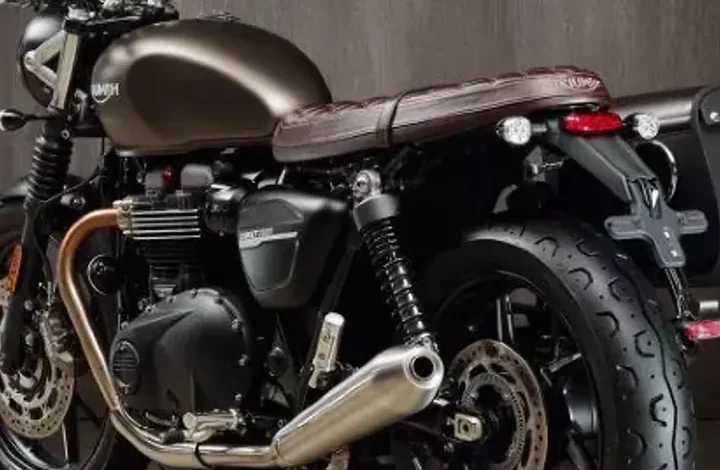
Motorcycles differ in style, performance, and purpose. The major categories include:
-
Commuter Motorcycles suitable for daily travel with excellent mileage.
-
Sports Bikes engineered for performance, acceleration, and cornering.
-
Cruisers designed with relaxed ergonomics for long-distance comfort.
-
Adventure (ADV) Motorcycles built to handle a mix of highways and rough terrains.
Electric Bikes (E-Bikes)
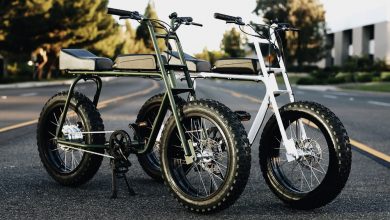
Electric bikes are gaining popularity due to their convenience and eco-friendly benefits. Key advantages include:
-
Reduced pedaling effort with assisted drive
-
Low operational cost
-
Smooth urban commuting
-
Minimal environmental impact
Types of Vehicles
Vehicles vary in size, utility, and driving dynamics. Understanding these categories can simplify your buying decision.
Sedans
Sedans are ideal for small families and daily commuting. They offer:
-
Comfortable seating
-
Balanced fuel efficiency
-
Stable ride quality
SUVs
Sport Utility Vehicles are known for strength and versatility. Their benefits include:
-
High ground clearance
-
Spacious interiors
-
Better performance on uneven terrain
Hatchbacks
Hatchbacks are compact yet practical, making them suitable for city dwellers. They offer:
-
Easy maneuverability
-
Affordable pricing
-
Flexible cargo space
Electric Vehicles (EVs)
EVs are transforming mobility with clean technology. Highlights include:
-
Zero tailpipe emissions
-
Quiet driving experience
-
Lower maintenance costs
Factors to Consider Before Buying
Making the right choice requires evaluating several practical factors.
Purpose
Your intended use influences the ideal vehicle. Think about whether you need it for:
-
Office commuting
-
Long road trips
-
Family transportation
-
Off-road or rugged travel
Budget
Cost considerations go beyond the purchase price. Include:
-
Servicing expenses
-
Fuel or charging costs
-
Insurance and accessories
Safety Features
Modern bikes and vehicles offer advanced safety technologies. Look for:
-
ABS, traction control, and disc brakes in bikes
-
Airbags, ESP, and collision alerts in cars
Fuel Efficiency
Fuel economy impacts long-term ownership costs. Compare mileage ratings to find budget-friendly options.
Comfort
Test riding or test-driving helps assess seat comfort, legroom, suspension response, and riding posture.
Maintenance Tips
Proper maintenance improves safety and prolongs the lifespan of your bike or vehicle.
Bike Maintenance
-
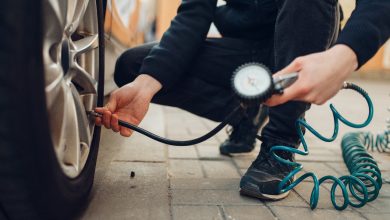
Keep tire pressure at recommended levels
-
Lubricate the chain routinely
-
Check brake pads for wear
-
Follow the manufacturer’s servicing schedule
Vehicle Maintenance
-
Change engine oil as required
-
Maintain fluid levels
-
Inspect tires for rotation and alignment
-
Replace air filters periodically
Why Choosing the Right Ride Matters
Your vehicle choice affects daily convenience, long-term expenses, and overall travel comfort. A well-selected bike or vehicle enhances safety, reduces stress, and ensures a smoother driving or riding experience for years.
FAQs
1. What is the best bike type for everyday city commuting?
Commuter motorcycles or electric bikes are ideal due to their mileage, agility, and low running costs.
2. Are electric vehicles more economical than petrol cars?
Yes, EVs typically have lower running and maintenance costs, although the initial price may be higher.
3. How often should I service my motorcycle?
Most bikes require servicing every 3,000–5,000 km or as recommended by the manufacturer.
4. Which is better for long trips: an SUV or a sedan?
SUVs offer more space and are better suited for rough terrain, while sedans provide a smoother ride on highways.
5. What safety features should a beginner motorcyclist prioritize?
ABS brakes, good-quality riding gear, and comfortable handling should be top priorities.
6. Do electric bikes require a license?
It depends on regional regulations. Many low-speed e-bikes do not require a license, while faster models do.
7. How do I decide between a hatchback and a sedan?
Choose a hatchback for city use and easier parking; choose a sedan for more boot space and highway comfort.