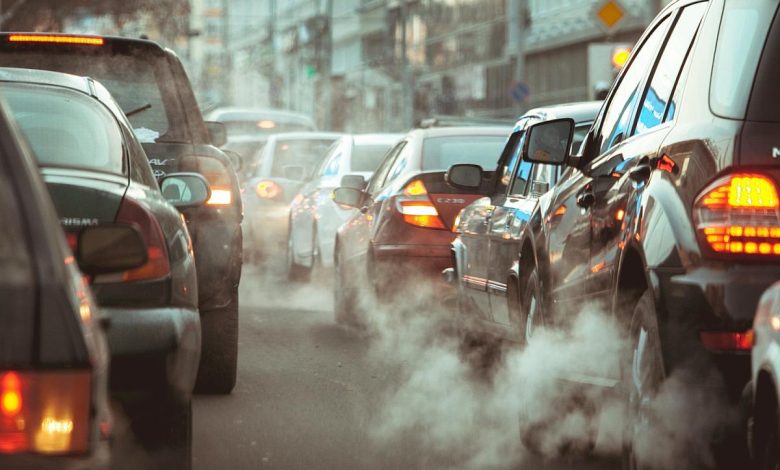
Every year, millions of motorists receive an official renewal notice from their state department of motor vehicles containing a familiar requirement: their car must undergo an emissions inspection before they can obtain updated registration tags. For many drivers, this annual or biennial smog check creates an unexpected wave of dread. Modern internal combustion engines rely on complex chemistry and digital sensor arrays to scrub exhaust gases clean, meaning even a minor sensor glitch can trigger an inspection failure.
Understanding regulatory emission standards does not require an advanced degree in automotive engineering or environmental chemistry. When drivers understand what inspectors look for, how vehicle computers track exhaust health, and why emission controls break down, passing the inspection becomes a manageable task rather than a guessing game.
The Evolution of Tailpipe Standards in the United States
Automotive emissions standards exist primarily to combat ground-level air pollution, photochemical smog, and hazardous acid rain precursors. The environmental framework traces back to the federal Clean Air Act, which empowered the Environmental Protection Agency to set nationwide thresholds for pollutants released by cars, light trucks, and heavy transport equipment.
Under federal statute, primary focus falls upon four major combustion byproducts:
-
Carbon Monoxide: A colorless, odorless, and poisonous gas produced when gasoline fails to burn completely inside the cylinder chambers due to rich air-fuel mixtures.
-
Hydrocarbons: Raw, unburned fuel molecules that escape through the exhaust system or evaporate from the fuel tank, reacting with sunlight and atmospheric heat to form ground-level ozone.
-
Nitrogen Oxides: Highly reactive compounds generated under extreme combustion temperatures and pressures inside high-compression engines, serving as a primary cause of acid precipitation and respiratory irritation.
-
Particulate Matter: Microscopic specks of solid carbon soot and aerosol droplets common to direct-injection gasoline engines and diesel powerplants.
While the federal government establishes baseline Tier standards for all vehicles sold across the country, individual states retain authority to regulate or adopt stricter regional frameworks. California operates under its own regulatory body, the California Air Resources Board, establishing rules that numerous northeastern, mid-Atlantic, and western states also adopt. This dual regulatory path shapes automotive manufacturing and determines local smog testing protocols.
How Modern Emissions Testing Stations Inspect Vehicles
The days of placing an exhaust sniffer probe deep into a car tailpipe while the vehicle drives across floor rollers are largely behind us for late-model automobiles. While dynamometer and idle tailpipe sampling remains common for classic vehicles built before 1996, modern state inspections rely primarily on the standardized On-Board Diagnostics Second Generation interface, known universally as OBD-II.
The OBD-II Diagnostic Port Scan
Federal law has mandated an OBD-II port under the driver side dashboard on every passenger vehicle manufactured since 1996. During an inspection, the state technician connects a certified scanning apparatus directly to this port. The scanner queries the car engine control unit to verify three critical parameters:
-
Bulb Check Readiness: The scanner checks that the check engine light illuminates during the initial key-on sequence and extinguishes properly once the engine runs, proving nobody disconnected or painted over the warning bulb.
-
Diagnostic Trouble Codes: The technician terminal sweeps the powertrain memory banks for active, pending, or historic fault codes relating to emissions control hardware.
-
Readiness Monitors: The testing equipment checks whether the vehicle internal diagnostic self-tests have run to completion since the computer memory was last cleared.
The Visual Anti-Tampering Inspection
A clean digital diagnostic report is only half the battle. A certified technician must pop the hood and use mirrors to conduct a physical undercarriage survey. During this inspection, technicians check for:
-
Catalytic Converter Presence: Verifying the factory catalytic converter remains present, shows no signs of bypass piping, and carries visible, approved manufacturer stamping.
-
Air Injection and EGR Hardware: Checking that exhaust gas recirculation valves and secondary air pumps remain plumbed with original vacuum lines and electrical connectors.
-
Aftermarket Modifications: Confirming that aftermarket intake tracts, turbocharger kits, or exhaust headers carry valid executive exemption numbers proving legal compliance.
The Evaporative Emissions Pressure Test
Hydrocarbon emissions do not only emerge from the tailpipe; they can evaporate directly from liquid fuel sitting inside the gas tank. Many states perform a gas cap pressure test. The technician removes the fuel filler cap and mounts it to a pneumatic testing fixture to confirm internal rubber seals hold adequate pressure without leaking fuel vapor into open atmosphere.
Understanding Diagnostic Monitors and the Drive Cycle
The most common reason a mechanically sound car fails an emissions inspection is a status called Not Ready. When an owner disconnects the battery, replaces an alternator, or uses a cheap code tool to erase a check engine light right before pulling up to the testing station, the vehicle computer resets its internal readiness monitors back to incomplete.
A readiness monitor is not a single sensor; it is an automated software routine run by the engine control module to stress-test specific hardware under exact real-world driving environments. Essential monitors include:
-
Catalytic Converter Monitor: Compares voltage readings between the upstream and downstream oxygen sensors to ensure the catalyst substrate stores oxygen and neutralizes pollutants properly.
-
Evaporative Emission System Monitor: Pulls slight vacuum or applies low pressure on the fuel tank to verify the charcoal canister, purge valve, and vent solenoids prevent vapor leakage.
-
Oxygen and Air-Fuel Ratio Sensor Monitor: Exercises heating circuits and checks response speeds to confirm rapid adaptation to dynamic mixture variations.
-
Exhaust Gas Recirculation Monitor: Commands small pulses of inert exhaust gas back into the intake air stream to verify combustion temperature suppression.
Clearing active fault codes with an OBD-II scanner does not trick the state testing computer. The tester simply reads the monitors as incomplete, causing an immediate rejection before the test even starts.
To set these monitors to ready status, the vehicle must complete a factory drive cycle. A typical drive cycle requires starting the vehicle from a true cold soak, idling for several minutes with electrical loads active, cruising at steady highway speeds between fifty and sixty miles per hour for twenty minutes, and decelerating coast-down periods without touching the brake pedal.
Common Mechanical Reasons Vehicles Fail Smog Inspections
When an engine fails an emissions evaluation, the root cause usually traces back to degraded maintenance items or worn combustion-control hardware.
-
Failing Upstream Oxygen Sensors: Oxygen sensors degrade over eighty to one hundred thousand miles. As they age, their switching speeds slow down, feeding inaccurate rich or lean signals to the powertrain computer and throwing off fueling balance.
-
Deteriorated Catalytic Converters: While catalytic converters are built to last the practical lifespan of a car, chronic engine misfires, blown head gaskets leaking coolant, or worn piston rings burning oil introduce contaminants that coat the precious platinum and rhodium elements inside, rendering the converter chemically inert.
-
Cracked Vacuum Lines and Intake Leaks: Unmetered atmospheric air entering past the mass airflow sensor creates a lean combustion state, spiking engine temperatures and nitrogen oxide output.
-
Stuck Purge or Vent Solenoids: When the evaporative canister purge solenoid sticks open, raw fuel vapors flood the intake manifold during engine idle, resulting in excessive unburned hydrocarbons.
Proactive Steps to Prepare Your Car for Inspection
Passing an emissions inspection without headaches requires an organized, proactive maintenance strategy:
-
Address Warning Lights Weeks in Advance: Never wait until the final day of your registration grace period. Diagnose check engine lights early so you have time to source parts and run drive cycles.
-
Inspect the Fuel Cap Rubber: Look for dry rot or micro-cracks along the perimeter rubber gasket of your gas cap. A five-dollar replacement cap can prevent an unexpected failed evaporative test.
-
Warm the Engine Fully: Always drive the vehicle on surface streets and highways for at least twenty minutes immediately before pulling into the testing bay. Catalytic converters rely on thermal energy and do not operate at peak catalytic conversion efficiency until their internal substrate reaches six hundred to eight hundred degrees Fahrenheit.
-
Perform Fresh Oil and Filter Maintenance: Dirty, fuel-diluted crankcase oil vents volatile hydrocarbon fumes through the positive crankcase ventilation valve right into the intake plenum. Fresh motor oil minimizes these stray vapors.
Frequently Asked Questions
Can I pass an emissions test if my check engine light is illuminated?
No, an illuminated check engine light is an automatic failure during an OBD-II emissions inspection across all jurisdictions. Even if the underlying diagnostic trouble code relates to an auxiliary accessory rather than raw engine performance, testing protocols dictate that the dashboard warning light must be extinguished with all corresponding computer readiness monitors cleared before a passing certificate can be issued.
How many incomplete readiness monitors are permitted during an emissions check?
Permissible thresholds depend upon state regulations and vehicle model years. For 1996 to 2000 model year vehicles, most state regulations permit up to two incomplete monitors due to older computing architectures. For vehicles built in 2001 and newer, most jurisdictions allow only a single incomplete monitor, with many states explicitly requiring the catalytic converter and evaporative monitors to be fully set.
What is an emissions repair cost waiver and who qualifies for it?
An emissions waiver provides a temporary, legal registration pass for vehicle owners who fail their smog test and spend significant money on certified repairs without resolving the issue. To qualify, owners must spend a statutorily defined minimum amount on diagnosis and parts installed by a state-licensed emissions repair technician. Waivers are intended to prevent low-income motorists from being forced off the road by catastrophic mechanical repair bills.
Why does my car fail an emissions test after installing an aftermarket cold air intake?
Unless an aftermarket performance component holds an official exemption or validation certificate, such as a California Air Resources Board Executive Order number, it constitutes illegal tampering under visual inspection rules. Even if the engine runs clean and sets no fault codes, uncertified intake, forced induction, or exhaust modifications fail the mandatory visual inspection phase on the spot.
Will disconnecting the car battery for an hour reset a failing catalytic converter code long enough to pass?
No, disconnecting the battery cuts continuous power to the vehicle engine control module, which erases all stored readiness monitor data along with the trouble code. While the check engine light temporarily turns off, the inspection station computer instantly detects incomplete readiness monitors and rejects the car before completing the test, requiring the vehicle to be driven until monitors clear.
Can using premium high-octane gasoline help an ordinary car pass an emissions test?
Filling up with high-octane premium gasoline provides zero emissions benefit for a vehicle designed to run on regular eighty-seven octane fuel. Octane ratings describe fuel resistance to pre-ignition knock rather than detergent quality or combustion heat. If an engine does not have an active knock sensor requiring high octane to manage timing advance, premium gasoline will not reduce tailpipe emissions or clear check engine codes.
What happens if a vehicle cannot pass an inspection due to discontinued factory parts?
If a vehicle requires an emissions component that has been formally discontinued by the original manufacturer and has no approved aftermarket alternative, several states provide parts obsolescence waivers. Owners must provide written documentation from certified dealerships or supply chains proving the component is genuinely unobtainable before an exemption can be reviewed by state automotive arbiters.